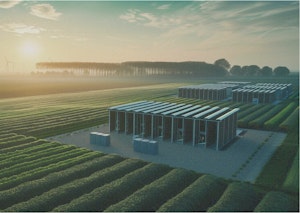
The Identity of Electricity
Research through Design of the Spatial Integration of Battery Energy Storage Systems (BESS)
Problem statement
This research examines the spatial quality of Battery Energy Storage Systems (BESS) through the identity of the different types of BESS.
Our landscape serves as a living document, bringing together a region’s history, culture, and technology. The physical structures and interactions tell visible stories about how people have collaborated with and intervened in the natural environment over time. This creates a landscape rich in meaning. The recognisability of the elements helps us navigate the landscape.
The way we currently design BESS in no way reflects the technology’s identity. This stems from thinking about the energy transition from technological utility to sustainable necessity. The technology is hidden behind two layers: first, BESS is placed in (shipping) containers from which it is impossible to tell its contents, second, these shipping containers are hidden in the landscape behind green or physical boundaries. Furthermore, other technologies — such as the SMR and electrolyser — also rely on (shipping) containers. Consequently, the large-scale application of BESS in (shipping) containers results in a uniform technological appearance, blurring the specific characteristics of the different BESS types and energy technologies in general.
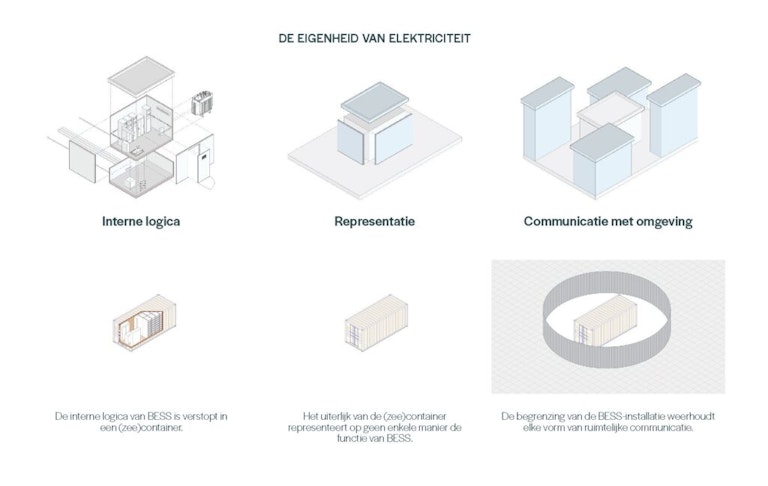
Spatial identity of energy technologies
We introduce the concept of identity as a way to preserve the diversity in energy technologies. The identity of an energy technology refers to the unique properties that define its character and make it recognisable in its environment. The three components of identity — internal logic, representation, and communication with the environment — serve as the basis for the design research.
INTERNAL LOGIC
The internal logic can be described as the inner workings of the technology, independent of outside cultural and geographical influences.
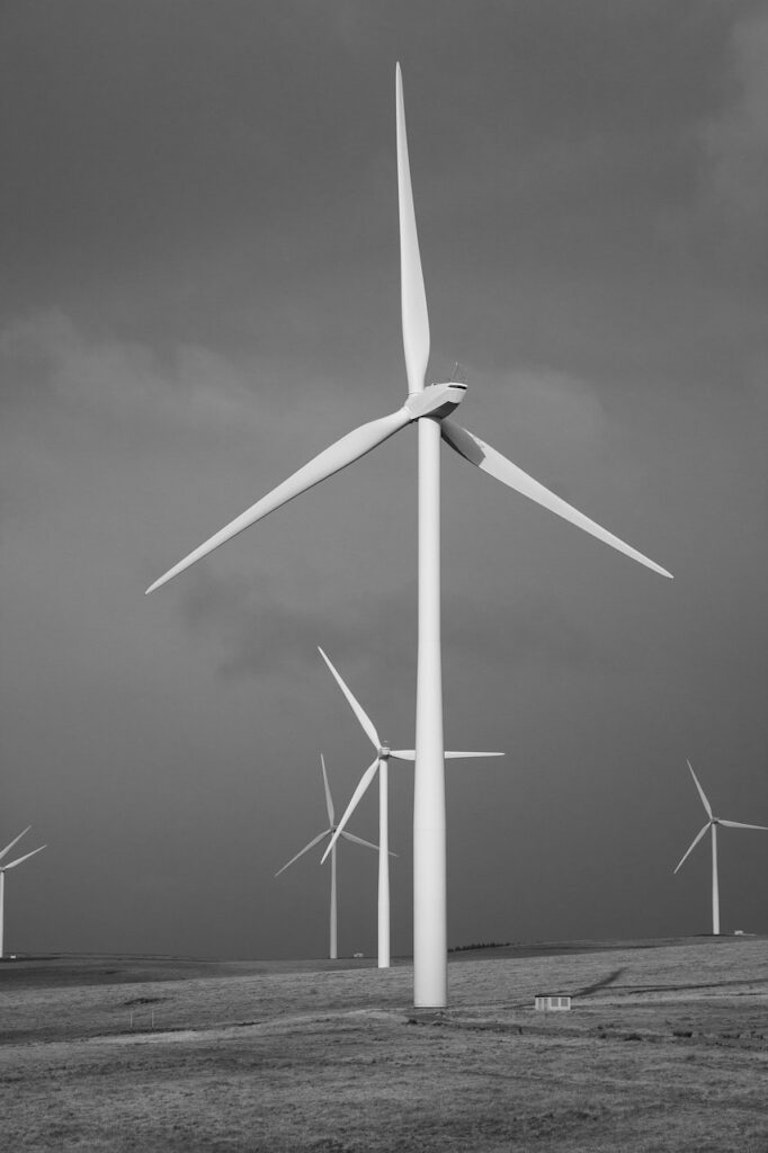
Consider the wind turbine, where the identity of the technology is largely determined by the internal logic of the rotating blades and the energy conversion mechanism. The clear readability – we can easily recognise wind turbines in the landscape – is therefore largely due to its internal logic.
REPRESENTATION
Representation can be defined as the way in which an object embodies and communicates a particular set of ideas, values and meanings.
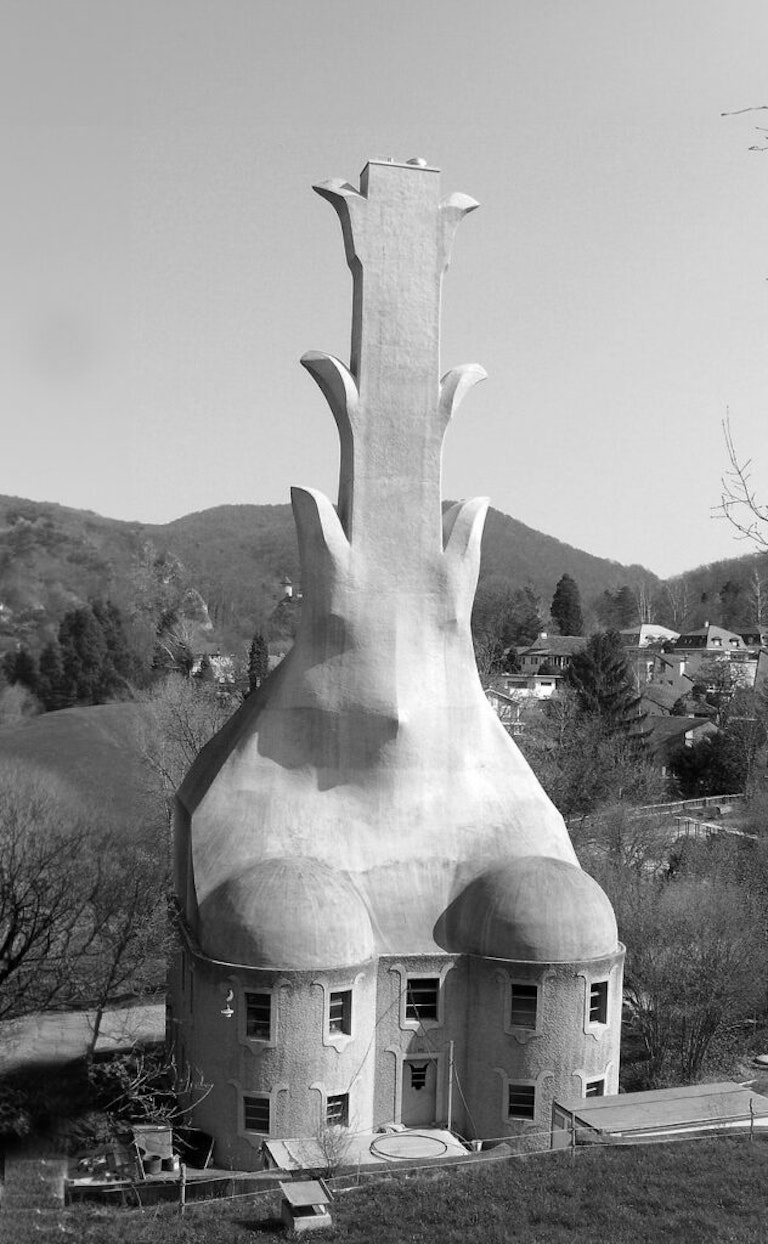
Rudolf Steiner’s steam house in Dornach, Switzerland, is perhaps the clearest example of representation. The internal logic of the steam house is expressed in the design of the concrete chimney. The dynamics of energy are reflected in the design. The flowing concrete, which mimics the swirling clouds of steam, suggests movement and force, allowing the viewer to intuitively perceive the energy generated by the steam house.
COMMUNICATION WITH THE ENVIRONMENT
An object can also communicate with its environment. This creates an interplay or interaction between the uniqueness of an energy technology and the identity of its surroundings. The technology can fully adapt its appearance to its surroundings, or find its own role or character within the local design language.
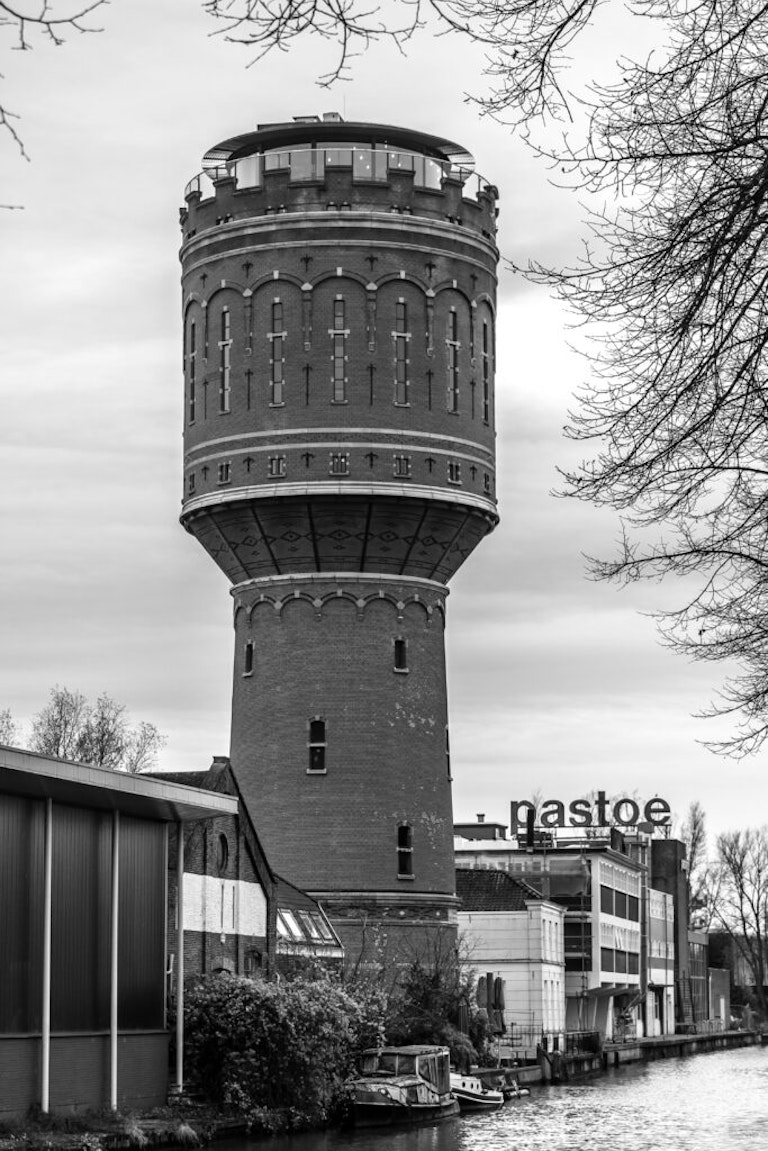
The Heuveloord water tower in Utrecht exemplifies how technology communicates with its surroundings. Its design is shaped by the Neo-Dutch Renaissance architectural style of the time. The unique character of this local architectural style is reflected in the water tower’s façade, making it a key element in the city’s spatial language. The design thus symbolizes the luxury of Utrecht’s public drinking water supply.
Design proposals
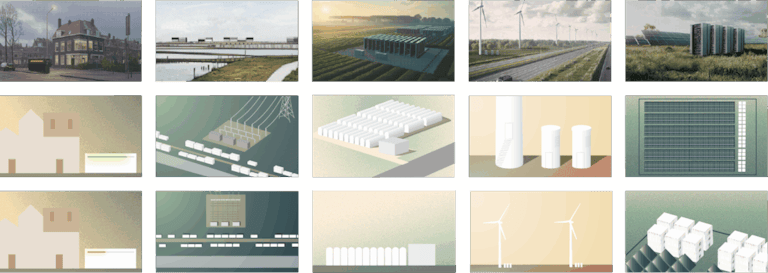
In this research we have identified five types of BESS based on scale, location, and function: 1. Co-location wind, 2. Co-location solar, 3. System battery, 4. Regional grid battery, and 5. Neighbourhood battery.
We’re currently approaching the battery as something we can hide, something that should be as inexpensive and standard as possible, and something temporary. By formulating design directions, we open up possibilities for considering desirability. How can a BESS contribute to spatial quality? How would we want a BESS in the landscape? To which functions can a BESS be linked?
Conclusions
The large-scale implementation of BESS is currently primarily considered a technological challenge: how do we get sufficient battery capacity – quickly and affordably – in the right place within the energy system? However, the implementation also entails complex spatial planning issues; BESS can have a significant impact on its surroundings, and its design and connection to the environment can significantly affect the quality of life.
In current BESS, the (shipping) container plays a decisive role as a design element. Almost all batteries are delivered in one or more containers. These severely limit the design possibilities. However, container solutions are not (technically) the only option for integrating battery storage. Using alternatives to containers can enhance spatial quality.
Not all battery systems are the same: a large-scale system battery offers different spatial possibilities than a neighborhood battery. Currently, batteries are often designed uniformly (in a container), functionally arranged (rows of containers several meters apart), and then hidden (for example, behind fences or hedges). To better align batteries with their specific context, three key components of the unique character of a BESS can be considered: the internal logic, the representation, and the communication with the environment. The unique character of a BESS can be determined in two ways: from the technology outward or from the context inward. These approaches offer different perspectives on how battery storage systems can be integrated into the broader spatial context.
Click here to download the report.
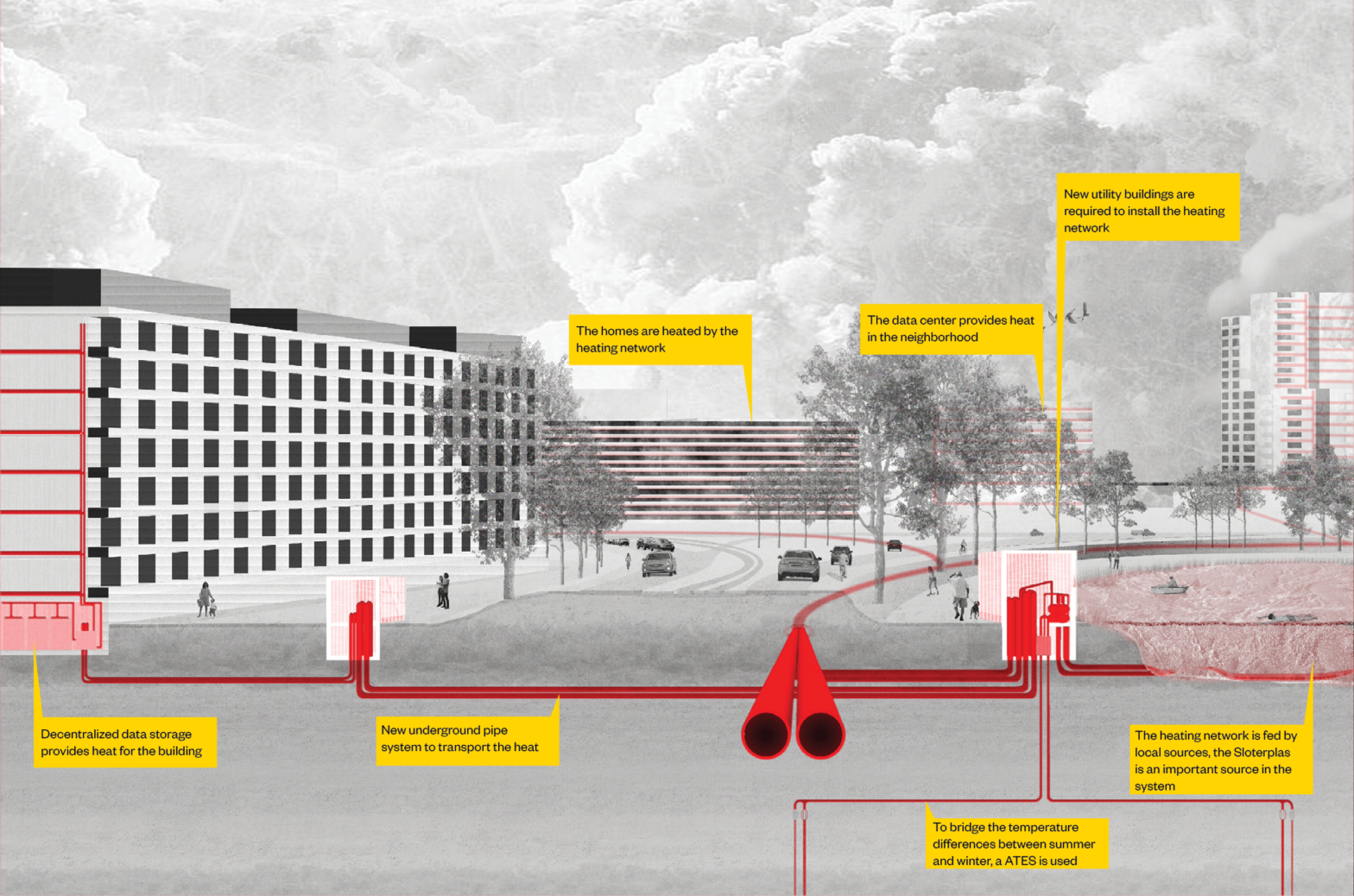 Power to the People
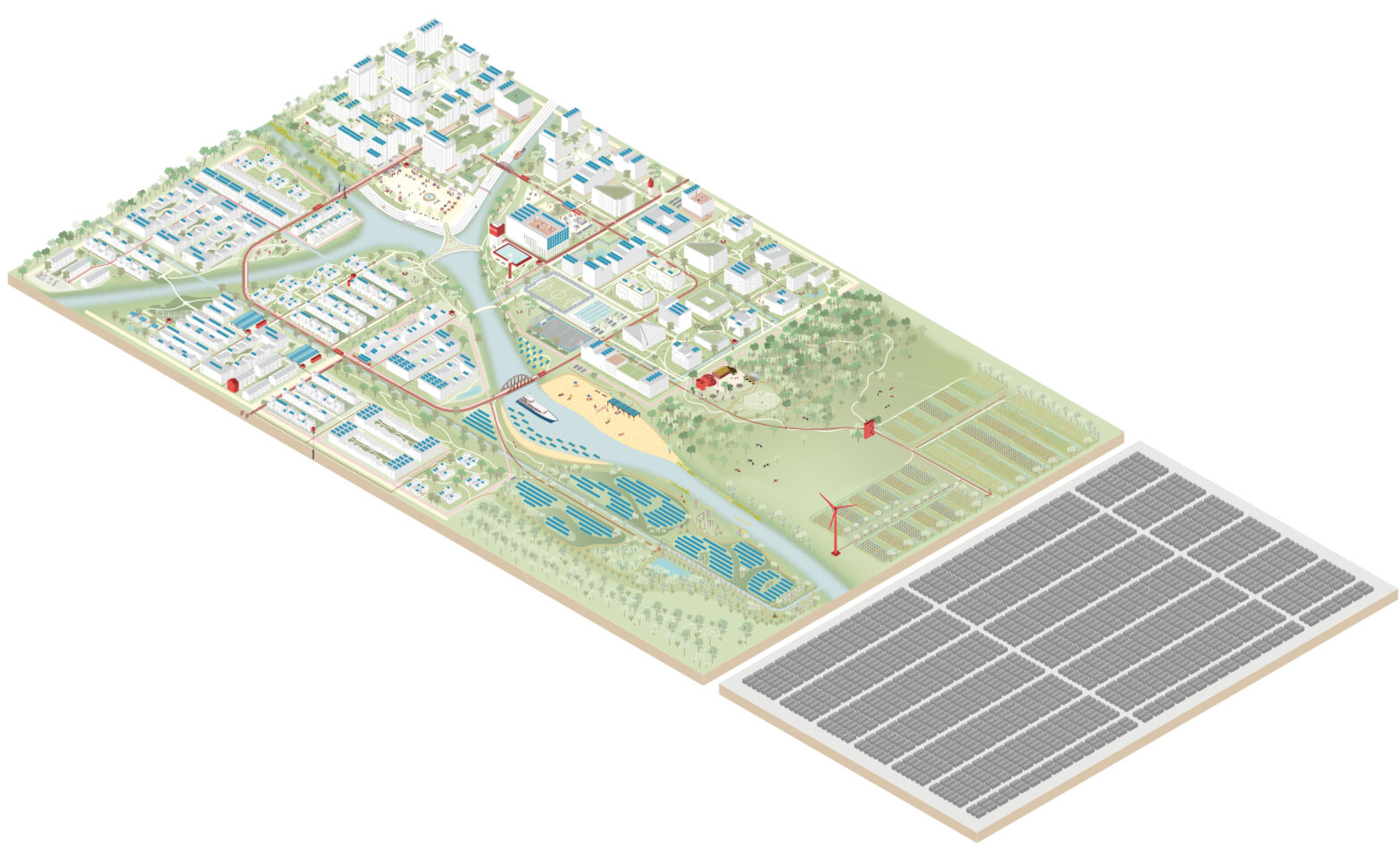 Balanswijk
 Shifting gears
 Energetic Eerbeek
 Stroom Westerschelde