Distinctiveness in Energy Design

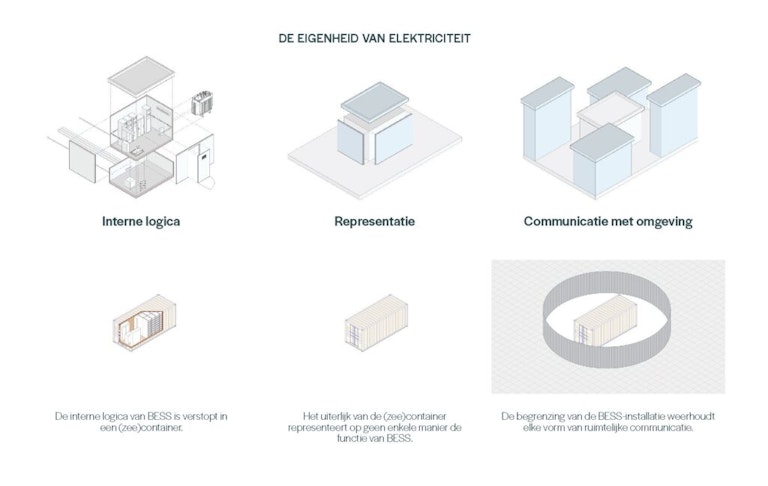
How do we recognise objects in our surroundings? How do we ‘read’ our landscape and the energy technologies that are present within it? The term ‘distinctiveness’ can help us to answer this question. The distinctiveness of an energy technology refers to the unique characteristics that form the character of the technology and make it recognisable in the landscape. Distinctiveness consists of three components: internal logic, representation, and communication with the environment.
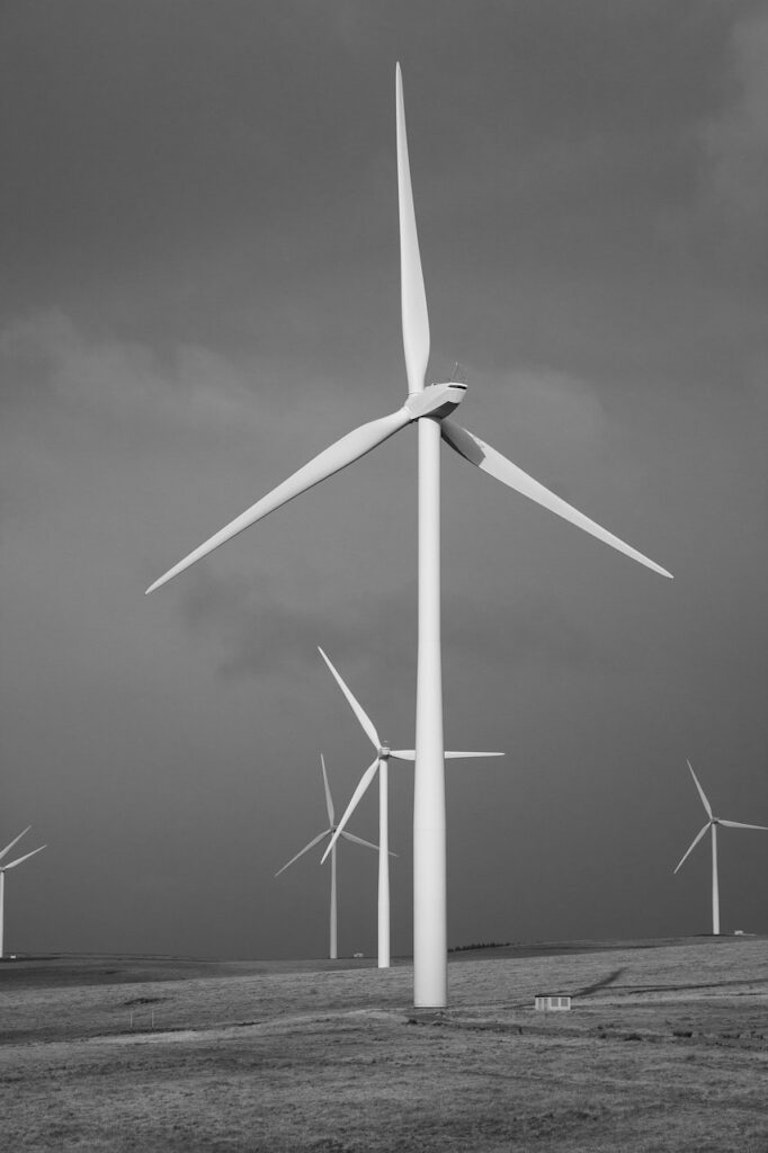
The distinctiveness of a wind turbine is strongly determined by the internal logic of the rotating blades and the mechanism of energy conversion.
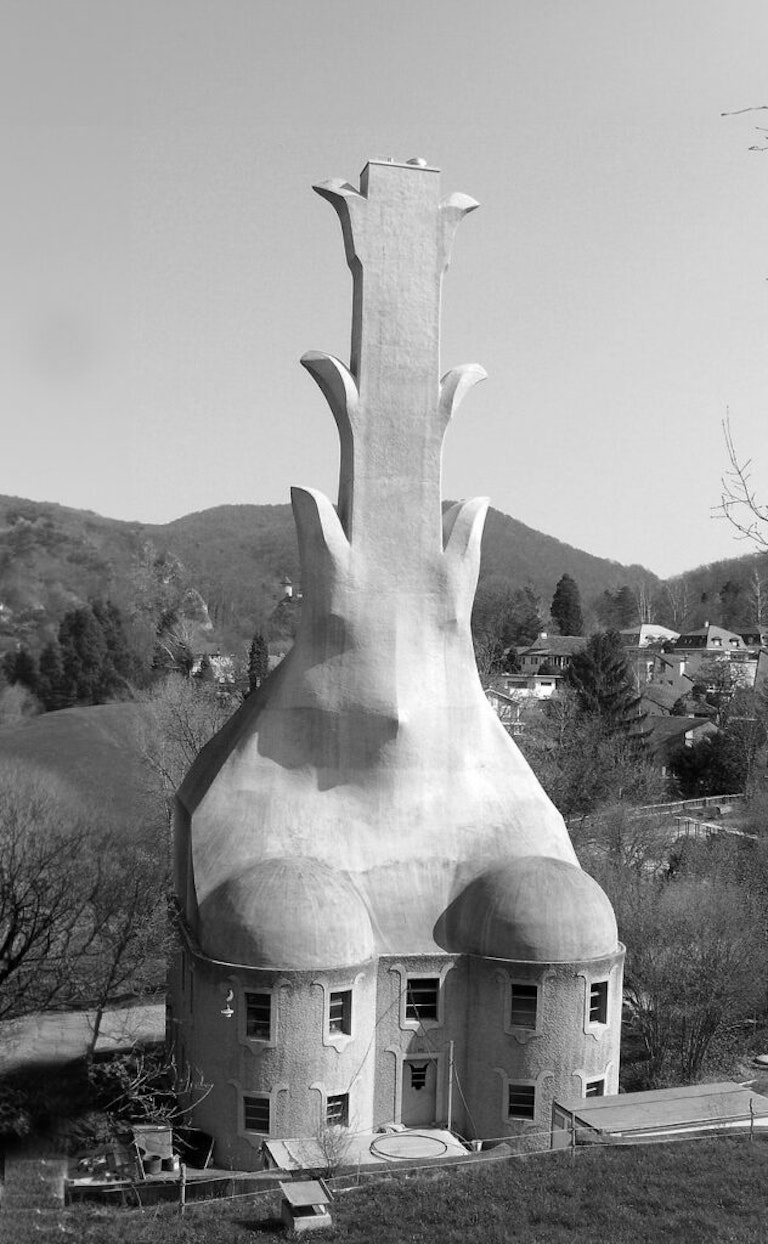
A steam house designed by architect Rudolf Steiner in Dornach, Switzerland. The internal logic of the steam house is represented by an expressive façade.
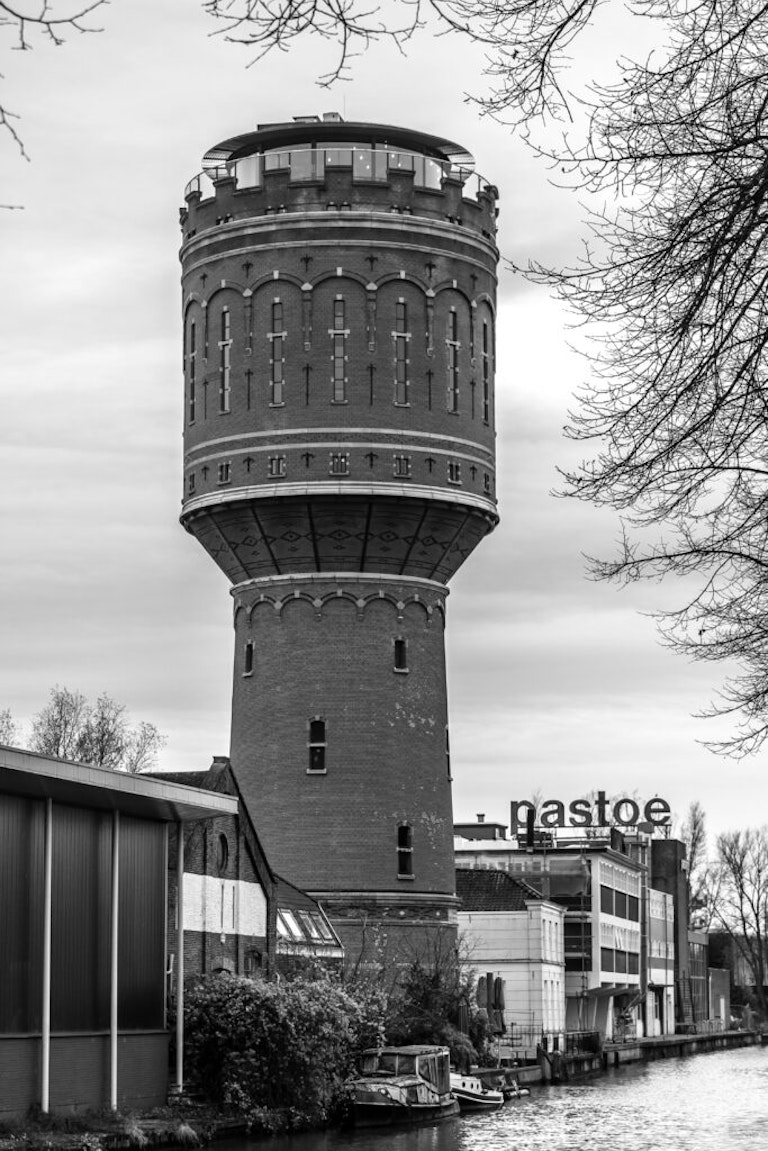
The Heuveloord water tower in Utrecht is an example of how a technology communicates with its surroundings. The design is determined by the then neo-Dutch Renaissance style of building. The distinctiveness of this local architectural style is manifested in the façade of the water tower, which allows it to play a role in the spatial language of the city.
The distinctiveness of electricity in Battery Energy Storage Systems: the character of BESS is in no way discernible in the landscape.